

When it comes to using heat or ice on an injury, it is important that you use the right one. Using the wrong one can result in the injury getting worse.

Heat
The following injuries and conditions are best treated with heat;
Arthritis
Arthritis is caused by worn-away cartilage in the joints, such as;
- Knees
- Shoulders
- Elbows
- Fingers
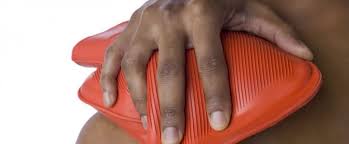
It most commonly happens to people as they get older. Moist heat, such as a warm, moist flannel can help ease chronic joint stiffness and help relax tight muscles.
Ice
The following injuries and conditions are best treated with ice or cold packs;
Gout Flare-Ups
Gout flare-ups are caused by chronic, inflammatory arthritis and generally occurs in;
- The big toe
- Instep
- Ankle
- Heel
- Knee
- Wrist
- Finger
- Elbow
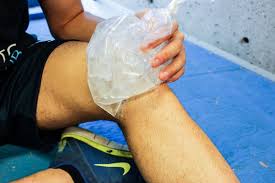
Ice is the best way to deal with this as it numbs pain.
Heat or Ice
Some issues can be solved with heat or ice, depending on which one works best for you or how the pain has come about, these include;
Headache
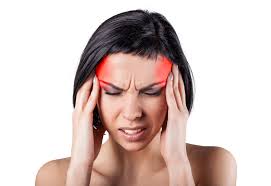
A headache is caused from pain from the nerves or blood vessels in the head, it can also be caused by muscles in the neck.
Ice can also help numb the throbbing pain that a headache can bring.
Moist heat can help relax tight muscles.
Strains
Strains are caused by pulled muscles or injured tendons and can occur in many different areas of the body, including;
- Thigh
- Back
- Calf
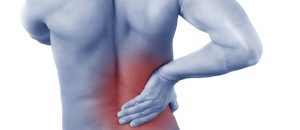
Ice can help ease inflammation on strained muscles and tendons, as well as reducing redness, swelling, tenderness and pain.
Heat helps to ease stiffness after the inflammation has gone down.
Sprains
Sprains are caused when the ligaments in the joints stretch or tear, this most commonly happens in areas such as;
- Knees
- Ankles
- Foot
- Elbow
Ice can help ease the inflammation and reduce the pain.
Whilst heat can relieve the stiffness after the inflammation has settled.
Precautions
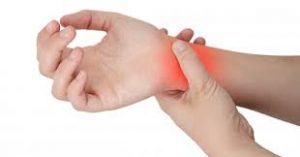
It is important to note that no matter if you use heat or ice to relieve pain from an injury, you must be careful with it on exposed skin. Ensure that you do not use heat or cold packs;
- Areas of skin that are in poor condition
- Areas of skin with poor sensation to heat or cold
- Areas of the body with known poor circulation
- If you have diabetes
- In the presence of infection
- Do not put ice directly on exposed skin, ensure it is covered with a cloth
If you have a heart condition:
- Do not use icepacks on left shoulder
- Do not use icepacks around front or side of neck

Horace is a health and wellness researcher with expertise in holistic medicine and evidence-based treatments. His writing covers everything from nutrition and fitness to emerging healthcare technologies.