
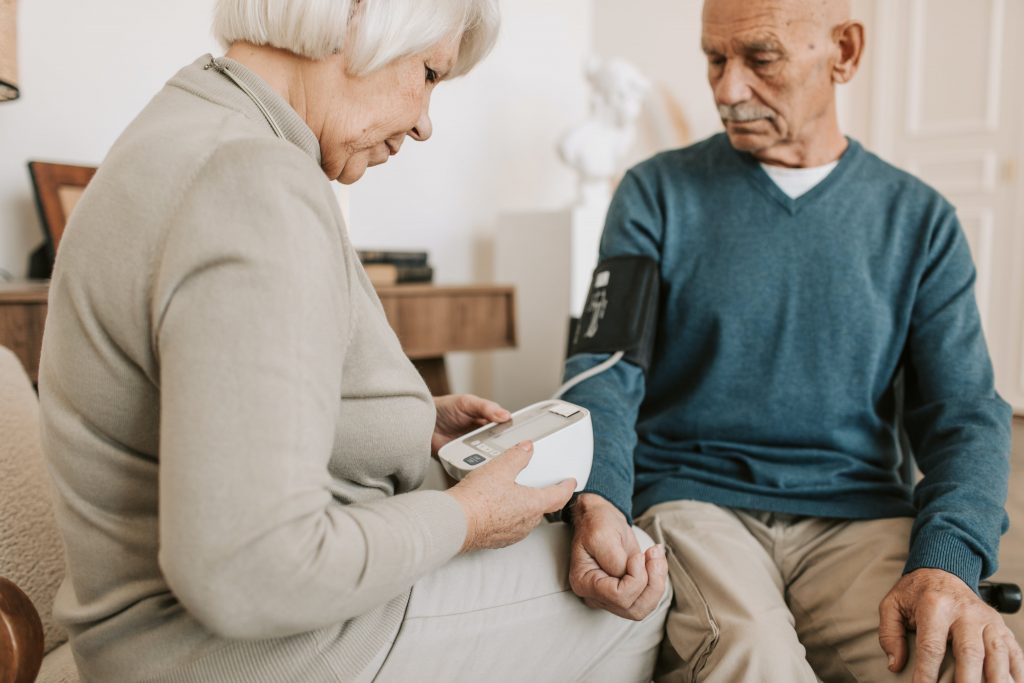
In an age where technology is revolutionizing every aspect of life, healthcare for seniors is no exception. Telemedicine, a term that once sounded like science fiction, is now a reality, offering a new dimension of care for the elderly. This innovative approach is not just a trend; it’s a game-changer in how we think about and deliver healthcare to one of the most vulnerable segments of our population.
Introduction to Telemedicine in Elderly Care
Telemedicine, in the simplest terms, is healthcare delivered remotely, using technology. For seniors, this means accessing medical care from the comfort of their homes, a boon for those with mobility issues or living in remote areas. It’s not just a convenience; it’s a lifeline.
The Scope and Importance
Telemedicine for elderly care encompasses a range of services – from routine check-ups to chronic disease management. It’s particularly crucial for seniors, who often have complex health needs and face challenges in accessing traditional healthcare services.
The Evolution of Remote Care for Seniors
The journey of telemedicine has been evolutionary, shaped by technological advancements and changing healthcare needs.
From Past to Present
Initially, telemedicine was limited to basic consultations. Today, it includes sophisticated remote monitoring and real-time interventions, thanks to advancements in technology.
Impact on Senior Care
The impact on elderly care is profound. Telemedicine has transformed the way healthcare is delivered to seniors, making it more accessible and personalized.
Benefits of Telemedicine for Elderly Patients
Telemedicine isn’t just a different way to deliver healthcare; it’s often a better way, especially for seniors.
Accessibility in Rural and Underserved Areas
For seniors living in rural areas, where access to healthcare is often limited, telemedicine is a godsend. According to the CDC, telehealth can significantly improve access to healthcare for rural residents, who are more likely to die prematurely from chronic diseases.
| Benefit | Description |
| Reduced Travel | Eliminates the need for long trips to healthcare facilities. |
| Immediate Access | Provides quick access to specialists and emergency care. |
| Continuous Monitoring | Enables ongoing monitoring of chronic conditions. |
Cost-Effectiveness and Efficiency
Telemedicine reduces the need for physical visits, which can be both time-consuming and costly. It’s a more efficient way of managing health, especially for chronic conditions common among the elderly.
Enhanced Patient Comfort and Safety
The comfort of receiving care at home cannot be overstated. It’s not just about convenience; it’s about safety, especially in a post-pandemic world where minimizing exposure to healthcare settings can be crucial.
Challenges and Limitations in Telemedicine
Despite its benefits, telemedicine isn’t without challenges, particularly when it comes to elderly patients.
Technological Barriers
Not all seniors are tech-savvy. The digital divide can be a significant barrier, making it essential to simplify technology and provide support for its use.
Privacy and Security Concerns
With healthcare data going digital, there are valid concerns about privacy and security. Ensuring robust data protection measures is critical for building trust in telemedicine services.
Limitations in Types of Care
While telemedicine is versatile, it’s not suitable for all types of medical interventions. Certain conditions still require in-person care.
Strategies for Effective Telemedicine Implementation
Implementing telemedicine in elderly care requires more than just technology; it demands a thoughtful approach that considers the unique needs of seniors.
Best Practices for Healthcare Providers
Healthcare providers must focus on user-friendly interfaces and ensure that telemedicine services are accessible to all seniors, regardless of their tech proficiency.
Training and Support for Elderly Patients
Providing training and support is crucial. Simplified guides or tutorials can empower seniors to use telemedicine services confidently.
Integrating Telemedicine with Traditional Healthcare Services
Telemedicine should complement, not replace, traditional care. A hybrid model ensures that seniors receive comprehensive care.
The Future of Telemedicine for Elderly Care
The future of telemedicine is vibrant, driven by emerging technologies that promise to enhance the quality and accessibility of care for seniors.
Emerging Technologies and Trends
Recent advancements in telemedicine are exciting. For example, paper-based microfluidics for immunoassays and 3D printed smartphone adaptors for nasolaryngoscopy are revolutionizing how we approach remote diagnostics.
| Emerging Technology | Description |
| Paper-based Microfluidics | Enables low-cost, efficient diagnostic tools for inflammatory agents. |
| 3D Printed Smartphone Adaptors | Reduces the cost of medical devices, making telemedicine more accessible. |
| Edge Computing | Improves real-time patient monitoring, crucial for life-critical situations. |
Potential for Growth and Expansion in Services
The scope for expanding telemedicine services is immense. From chronic disease management to emergency care, the possibilities are endless.
The Role of Policy and Regulation
Policies and regulations will play a pivotal role in shaping the future of telemedicine. Ensuring patient safety and data security while fostering innovation is key.
Telemedicine for elderly care is more than just a technological advancement; it’s a beacon of hope and a testament to our commitment to making healthcare accessible and personalized for seniors. As we embrace these new technologies and strategies, the future of senior healthcare looks not just promising but revolutionary.
FAQs on Telemedicine for Elderly Care
Addressing common queries helps demystify telemedicine for seniors and their caregivers.
How Does Telemedicine Enhance Accessibility for Seniors?
Telemedicine eliminates the need for travel, making healthcare accessible even in remote areas.
What Are the Privacy Measures in Telemedicine?
Robust encryption and strict adherence to healthcare privacy laws are integral to telemedicine platforms.
Can Telemedicine Replace In-Person Visits?
While telemedicine is highly effective, certain conditions and emergencies still require in-person visits.

Monty is a healthcare writer with a background in general medicine and patient care. She focuses on preventive healthcare, chronic illness management, and medical advancements that improve patient outcomes.
You may also like
-
Telemedicine in Rural Areas: Bridging the Healthcare Gap
-
Universal Healthcare and Economy: A Deep Dive into Its Impact and Benefits
-
Telemedicine: Revolutionizing Healthcare Access
-
The Millennial’s Guide to Universal Healthcare: Pros and Benefits
-
Navigating the New Normal: EMS and 911 in the COVID-19 Era