

The need for quality private health care is greater than ever in this country. Other health care facilities consist of long term care homes that are full of elderly people waiting for a nurse to visit them every few hours. Some of these homes are only an apartment with a tiny kitchen and very little social interaction. Others have long waiting lists for in-home treatment that can last months or even years. In short, the waiting times for health care are becoming extremely problematic.
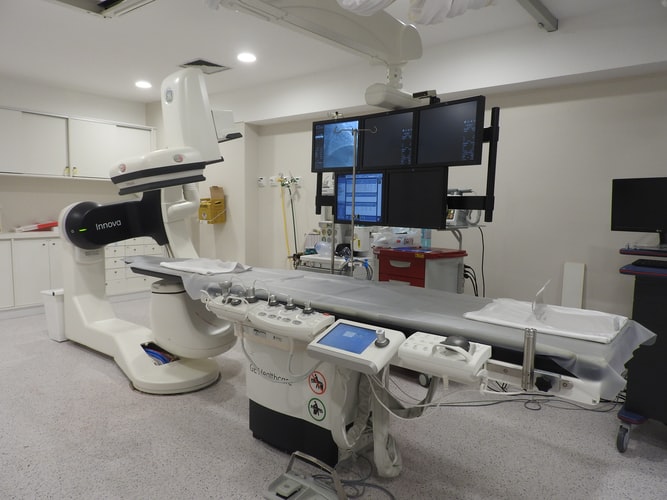
Why Are Healthcare Costs So High In The US?
One of the reasons that the US has one of the highest healthcare costs in the world is our inefficient health system and the resulting waiting times and lack of available resources. Another reason is our ability to treat diseases and injuries at a reasonable cost. When you add in the fact that people simply do not have enough time to make it through their annual appointments, the problems become very serious. As medical research advances and becomes more efficient, these issues will be minimized, but to what extent is impossible to say.

When you consider the benefits, the bottom line becomes clearer. In the best healthcare systems, everyone is able to get the care that they require. This may take a long time; it may mean that some people wait for years, or it may mean that some people wait for just a few months. But the number of preventable medical errors and illnesses is dramatically reduced in a system where everybody has access to the latest medical research and treatments. When you consider that this translates into fewer medical expenses, fewer emergency room visits, and fewer life-threatening complications, the benefits are clear.
What More Does Private Healthcare Offer?
Private employers that offer employee benefits are responsible for complying with the regulations that go along with those programs. Some of those regulations pertain to the use of exorbitant benefits, as well as the disclosure of those benefits.
Other regulations pertain to the payment of premiums and the availability of those premiums in certain circumstances. In short, if an employer offers health insurance, and an employee asks for that benefit, it has to be available. However, the regulations also state that an employee can ask for a premium reduction if that employee were to lose his or her job for whatever reason, including lay-offs.
States have different regulations regarding the disclosure of benefits. For private employers, it is usually required that they offer at least basic coverage. If they choose to offer more comprehensive coverage, they have to inform the applicant in advance and provide a range of options. Private health care plans and providers must also notify their policyholders of the availability of “fee for service” or “point of service” treatments. Basically, this means that the provider will bill the patient for the treatment and will collect a percentage of the total cost.

Final Points We Noted About Private Healthcare
The biggest counterpoint against instituting a system of “fee for service” is that those who need the most services get the least money. The argument goes something like this: If everybody has access to a quality health insurance premium, then nobody should bother getting any additional coverage.
The fact that people do not use all of the services they are entitled to could be due to their financial situation. Low-income families might qualify for free or reduced-rate services, but would still have to pay a portion of their own medical bills. Thus, the overall savings from allowing “fee for service” would not be very substantial for most families.


Horace is a health and wellness researcher with expertise in holistic medicine and evidence-based treatments. His writing covers everything from nutrition and fitness to emerging healthcare technologies.
You may also like
-
Telemedicine in Rural Areas: Bridging the Healthcare Gap
-
Universal Healthcare and Economy: A Deep Dive into Its Impact and Benefits
-
Telemedicine: Revolutionizing Healthcare Access
-
The Millennial’s Guide to Universal Healthcare: Pros and Benefits
-
Navigating the New Normal: EMS and 911 in the COVID-19 Era