
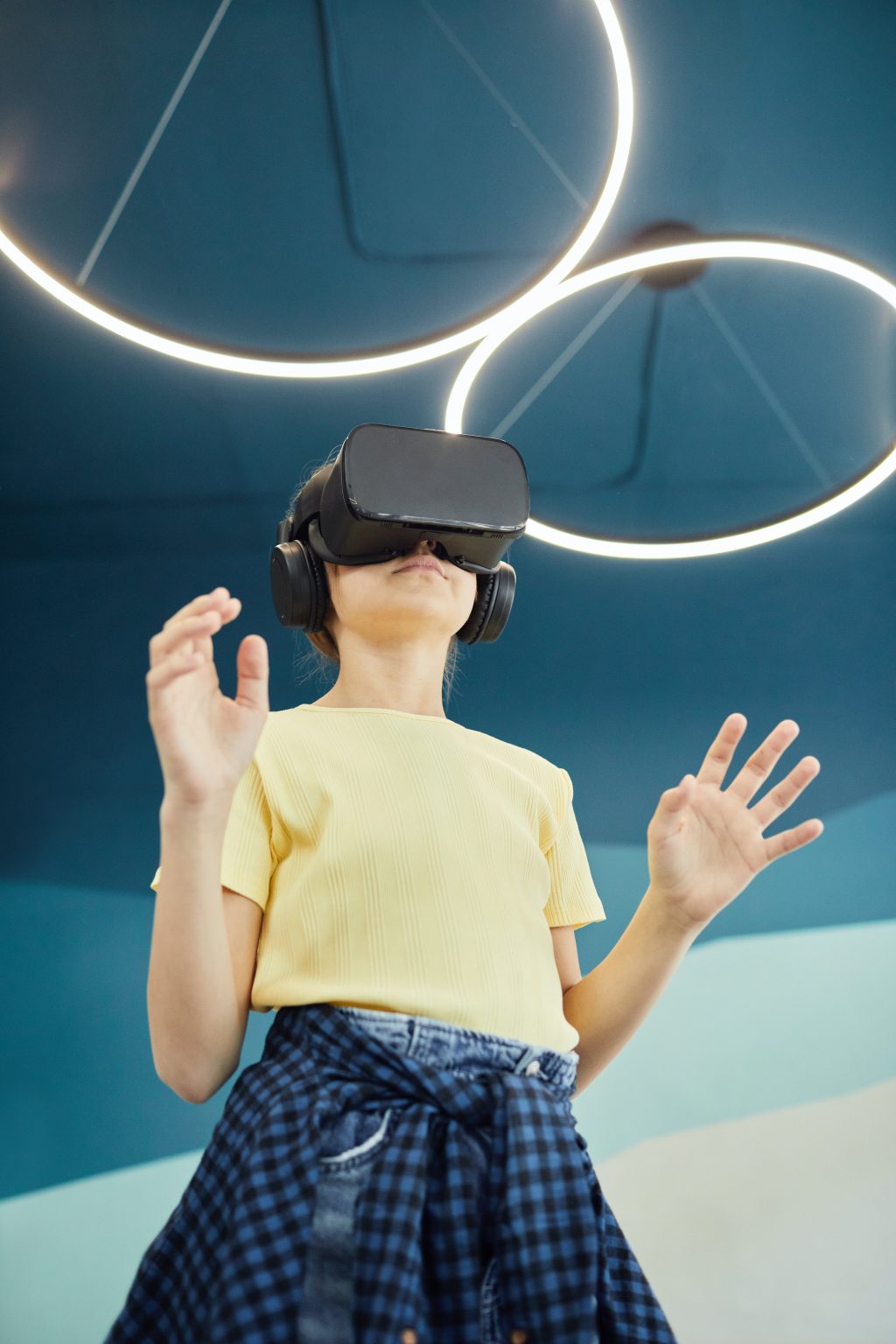
Telemedicine, once a niche segment in healthcare, has rapidly evolved into a cornerstone of modern medical practice, especially in the wake of the global pandemic. As we navigate through this digital era, telehealth technologies are not just a convenience but a necessity, reshaping how we think about healthcare delivery. This exploration into the world of telemedicine technology innovations is not just about understanding the current landscape but also about peering into the future of healthcare.
The Evolution of Telemedicine: From Concept to Reality
Telemedicine has come a long way from its initial concept. It’s fascinating to see how what once seemed like a futuristic idea is now a part of our everyday lives.
The Journey from Traditional to Digital Healthcare
- Early Days: Telemedicine began as a way to reach patients in remote locations.
- Digital Transformation: The advent of the internet and mobile technology gave telemedicine a new dimension.
- Current Trends: Today, telemedicine encompasses a wide range of services, from virtual consultations to remote surgery.
AI: The Game Changer in Telehealth
Artificial Intelligence (AI) is not just a buzzword in the tech world; it’s a key player in the telehealth revolution.
AI-Driven Diagnostics: A New Era of Medical Precision
- Predictive Analytics: AI algorithms can predict health risks and outcomes, enhancing preventive care.
- Diagnostic Accuracy: AI tools assist in diagnosing diseases, sometimes with greater accuracy than human practitioners.
Patient Monitoring and Care
- Remote Monitoring: AI systems can monitor patient vitals and alert healthcare providers to any anomalies.
- Personalized Care Plans: AI can tailor treatment plans based on individual patient data.
The Rise of Remote Monitoring Technologies
In a world where everything is connected, remote monitoring technologies are a boon for both patients and healthcare providers.
Wearable Health Devices: Your Health on Your Wrist
- Real-Time Health Tracking: Devices like smartwatches monitor heart rate, sleep patterns, and more.
- Emergency Alerts: These devices can alert users and healthcare providers to potential health issues.
Remote Patient Monitoring Systems: Beyond the Clinic Walls
- Chronic Disease Management: Patients with chronic conditions can be monitored continuously, reducing hospital visits.
- Data-Driven Decisions: Healthcare providers can make informed decisions based on the data collected from these devices.
The Integration of Robotics in Telehealth
The integration of robotics in telehealth is not just about cool gadgets; it’s about making healthcare more accessible and efficient.
Robotic Assistance in Remote Surgeries
- Precision and Efficiency: Robotic systems allow surgeons to perform complex procedures with high precision.
- Expanding Reach: Patients in remote areas can access surgical expertise without traveling long distances.
Patient Care Robots: The Friendly Faces of Healthcare
- Companionship and Assistance: Robots can assist in patient care, providing companionship and basic healthcare services.
- Rehabilitation Support: Robots are used in physical therapy, helping patients regain mobility and strength.
Blockchain: Securing the Future of Telehealth
In an age where data breaches are a constant threat, blockchain technology is a game-changer for securing health data.
Enhancing Patient Data Privacy
- Decentralized Data Storage: Blockchain allows for secure, decentralized storage of patient data.
- Consent Management: Patients have greater control over who accesses their health information.
Blockchain for Secure Medical Records
- Tamper-Proof Records: Blockchain ensures that medical records are secure and unalterable.
- Interoperability: It facilitates the secure sharing of health data across different healthcare systems.
Telehealth in Specialized Fields: Breaking New Ground
Telehealth is not just for general medicine; it’s making waves in specialized fields too.
Telepsychiatry: Mental Health at a Distance
- Accessible Mental Health Services: Patients can access mental health services from the comfort of their homes.
- Breaking the Stigma: Telepsychiatry helps in destigmatizing mental health care.
Teledermatology: Skin Care Goes Digital
- Remote Skin Assessments: Patients can receive dermatological consultations remotely.
- Convenience and Efficiency: It reduces the need for in-person visits for skin conditions.
Telemedicine technology innovations are not just transforming healthcare; they are redefining it. As we continue to witness these advancements, one thing is clear: the future of healthcare is digital, decentralized, and patient-centered. The journey of telemedicine from a mere concept to a critical healthcare service is a testament to human ingenuity and the relentless pursuit of better healthcare for all.
Predicting the Future: What’s Next for Telehealth?
The future of telehealth is not just a continuation of current trends but a leap into uncharted territories of healthcare innovation.
Expansion of Telehealth Services: Beyond Boundaries
- Global Reach: Telehealth is set to break geographical barriers, providing access to healthcare services worldwide.
- Diverse Specialties: Expect to see telehealth services expand into more specialized medical fields.
Challenges and Opportunities Ahead
- Regulatory Hurdles: Navigating the complex web of healthcare regulations will be crucial.
- Technological Advancements: Continuous innovation in technology will drive the evolution of telehealth.
Telehealth: A Catalyst for Healthcare Innovation
Telehealth is not just a tool; it’s a catalyst that’s driving innovation in healthcare.
Telemedicine and Mental Health: A Growing Nexus
- Teletherapy: The rise of online therapy sessions is making mental health care more accessible.
- Digital Mental Health Tools: Apps and platforms are providing new ways to manage mental health.
Telehealth in Chronic Disease Management
- Remote Monitoring: Patients with chronic diseases can manage their conditions more effectively through telehealth.
- Personalized Care Plans: Telehealth enables the creation of tailored care plans based on real-time data.
Telehealth and the Digital Divide: Bridging the Gap
While telehealth promises a more inclusive healthcare system, it also highlights the digital divide.
Addressing Connectivity Issues
- Rural Access: Improving internet access in rural areas is crucial for telehealth to reach its full potential.
- Affordable Technology: Making telehealth technology affordable and user-friendly is key to widespread adoption.
Digital Literacy and Telehealth
- Educational Initiatives: Increasing digital literacy is essential for patients to effectively use telehealth services.
- User-Friendly Platforms: Telehealth platforms need to be intuitive and easy to navigate.
Telehealth: Personalizing Healthcare in the Digital Age
Telehealth is personalizing healthcare, making it more patient-centric than ever before.
Tailored Health Solutions
- Customized Treatment Plans: Telehealth allows for more personalized healthcare solutions based on individual patient data.
- Patient Empowerment: Telehealth gives patients more control over their healthcare journey.
The Human Touch in Telehealth
- Building Trust: Establishing a rapport with patients remotely is key to successful telehealth services.
- Emotional Connection: Telehealth platforms are finding innovative ways to maintain the human element in healthcare.
Telehealth is more than just a technological advancement; it’s a paradigm shift in healthcare delivery. As we embrace this digital healthcare revolution, we are not just witnessing a change in how healthcare services are delivered but also in how they are perceived and experienced. The future of telehealth is bright, promising, and full of possibilities, ready to unfold a new era in healthcare that is more accessible, efficient, and personalized.
Frequently Asked Questions About Telehealth
Let’s address some of the most common queries about telehealth to demystify this digital healthcare revolution.
Q1: How secure is telehealth?
- A: Telehealth platforms employ robust security measures, including encryption and secure data storage, to protect patient information.
Q2: Can telehealth replace in-person doctor visits?
- A: While telehealth can complement traditional healthcare, it is not a complete substitute for in-person visits, especially for certain medical conditions.
Q3: Is telehealth accessible to everyone?
- A: Telehealth aims to be accessible, but challenges like internet connectivity and digital literacy can impact its reach.

Monty is a healthcare writer with a background in general medicine and patient care. She focuses on preventive healthcare, chronic illness management, and medical advancements that improve patient outcomes.
You may also like
-
Telemedicine in Rural Areas: Bridging the Healthcare Gap
-
Universal Healthcare and Economy: A Deep Dive into Its Impact and Benefits
-
Telemedicine: Revolutionizing Healthcare Access
-
The Millennial’s Guide to Universal Healthcare: Pros and Benefits
-
Navigating the New Normal: EMS and 911 in the COVID-19 Era