
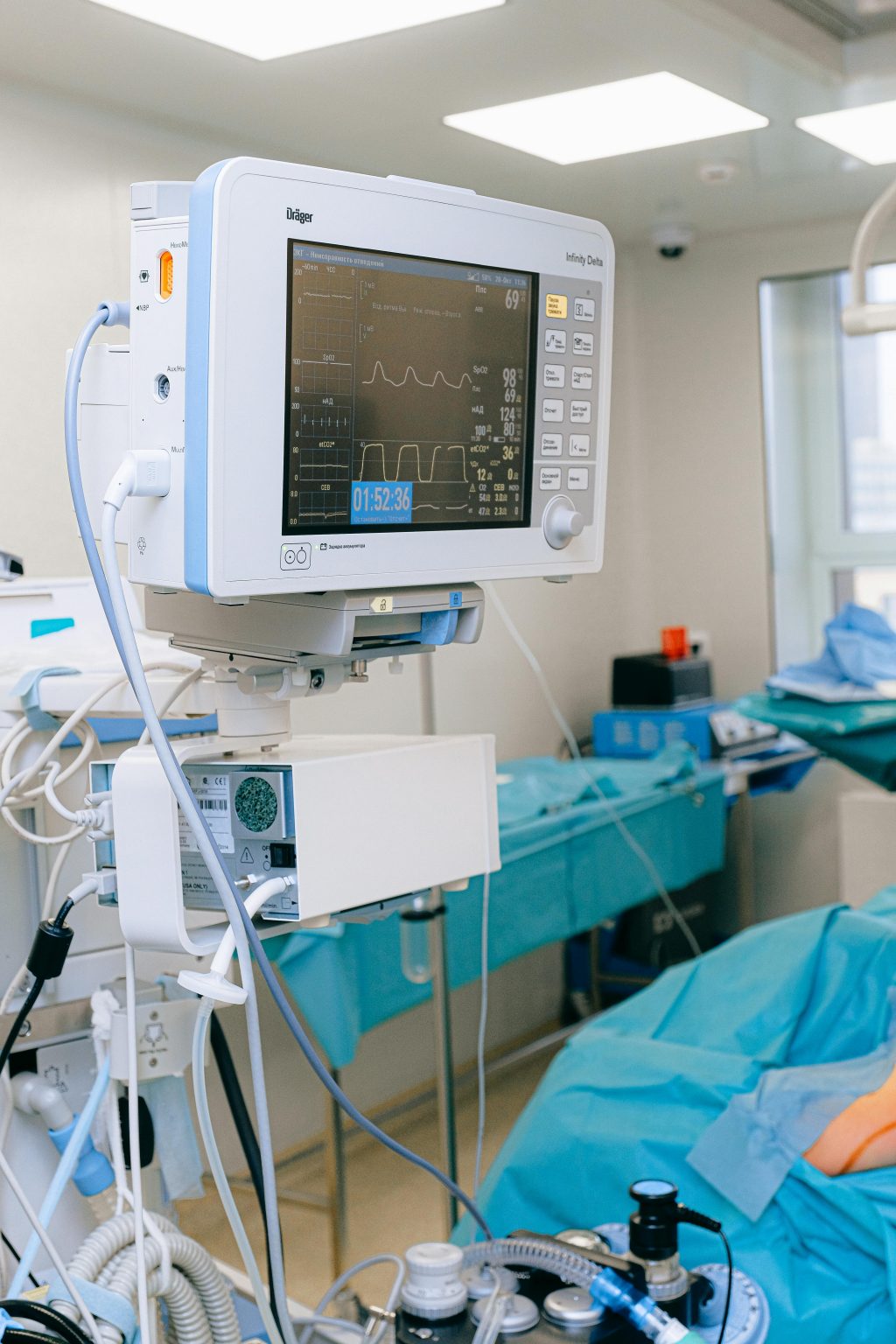
In an era where technology and healthcare are increasingly intertwined, Remote Patient Monitoring (RPM) stands out as a beacon of progress, especially highlighted during the COVID-19 pandemic. This article delves into the world of RPM, exploring its foundations, benefits, challenges, and real-world impacts.
Introduction to Remote Patient Monitoring (RPM)
RPM, a component of telehealth, has reshaped the landscape of patient care. It involves the use of digital technologies to monitor and capture medical and other health data from patients remotely. This data is then electronically transmitted to healthcare providers for assessment and recommendations. The evolution of RPM is a testament to the advancements in digital health, marking a significant shift from traditional healthcare methods.
Evolution of RPM in Healthcare
The journey of RPM in healthcare is a fascinating one. Initially, it was a simple means to monitor vital signs remotely. However, with the advent of advanced technologies, RPM has evolved into a sophisticated system capable of monitoring a wide range of health parameters, offering a more holistic view of a patient’s health.
Technological Foundations of RPM
RPM is built on a foundation of various technologies, each playing a pivotal role in its functionality.
Key Technologies in RPM
- Wearable Sensors: Devices like smartwatches and fitness trackers that monitor vital signs like heart rate and blood pressure.
- Mobile Health Applications: Apps that allow patients to track their health data and communicate with healthcare providers.
- Data Analytics: Tools that analyze the vast amounts of data collected for better health insights.
Role of Artificial Intelligence in RPM
AI in RPM is a game-changer. It can predict patient health trends, personalize care plans, and even alert healthcare providers to potential health risks, making RPM not just a monitoring tool but a proactive healthcare solution.
Benefits of RPM for Patients and Healthcare Providers
RPM offers numerous benefits, making it a valuable asset in modern healthcare.
Improved Patient Outcomes
Patients using RPM systems often experience better health outcomes due to continuous monitoring and timely interventions.
Cost-Effectiveness and Efficiency in Healthcare
RPM reduces the need for frequent hospital visits, thereby cutting down healthcare costs and improving efficiency.
Enhanced Patient Engagement and Satisfaction
Patients feel more involved in their healthcare process, leading to higher satisfaction levels.
Reduction in Hospital Readmissions
Continuous monitoring helps in early detection of potential health issues, reducing the likelihood of hospital readmissions.
Challenges and Considerations in RPM Implementation
Despite its benefits, RPM implementation is not without challenges.
Data Privacy and Security Concerns
The handling of sensitive health data raises concerns about privacy and security. Ensuring robust data protection measures is crucial.
Integration with Existing Healthcare Systems
Integrating RPM with existing healthcare systems can be challenging but is essential for seamless operation.
Case Studies and Success Stories in RPM
Real-world examples illustrate the impact of RPM.
Impact on Chronic Disease Management
Studies have shown that RPM significantly improves the management of chronic diseases like diabetes and hypertension.
RPM in Post-Surgical Care and Recovery
RPM has been effective in monitoring patients post-surgery, ensuring timely medical interventions and reducing hospital stays.
Future Trends and Innovations in RPM
The future of RPM is bright, with continuous innovations shaping its trajectory.
Emerging Technologies and Their Potential
Technologies like 5G and advanced AI algorithms are set to further enhance the capabilities of RPM systems.
Predictions for RPM in the Next Decade
Experts predict a surge in RPM adoption, driven by technological advancements and an increasing focus on patient-centric healthcare.
RPM in Action: Real-World Applications
RPM’s real-world impact is evident across various healthcare scenarios, particularly in chronic disease management and post-surgical care.
Chronic Disease Management with RPM
- Hypertension and Diabetes: RPM has shown significant improvements in managing these conditions, with patients experiencing better control over blood pressure and blood glucose levels.
- Heart Failure and COPD: RPM has been instrumental in reducing mortality and readmissions for patients with these conditions.
Enhancing Post-Surgical Care
- Early Discharge and Continuous Monitoring: RPM allows for early discharge of patients while ensuring continuous monitoring, reducing hospital stays and readmissions.
Overcoming Challenges in RPM
While RPM offers numerous benefits, it’s not without its challenges.
Data Privacy and Security
- Robust Data Protection: Ensuring the privacy and security of patient data is paramount in RPM implementation.
Integration with Healthcare Systems
- Seamless Operation: Integrating RPM with existing healthcare systems is crucial for its effective functioning.
The Future of RPM
RPM is poised for significant growth, with emerging technologies enhancing its capabilities.
Emerging Technologies in RPM
- 5G and Advanced AI: These technologies are expected to revolutionize RPM, offering faster and more accurate monitoring.
RPM in the Next Decade
- Increased Adoption: Predictions suggest a surge in RPM usage, driven by technological advancements and a focus on patient-centric care.
Tables Packed with Value
To provide a clearer picture, let’s look at some valuable tables highlighting key aspects of RPM.
| Condition | RPM Impact |
| Hypertension | Improved blood pressure control |
| Diabetes | Better blood glucose management |
| Heart Failure | Reduced mortality and readmissions |
| COPD | Enhanced patient monitoring and care |
| RPM Feature | Benefit |
| Continuous Monitoring | Timely health interventions |
| Data Analytics | Personalized care plans |
| AI Integration | Predictive health insights |
| Challenge | Solution |
| Data Security | Robust encryption and privacy policies |
| System Integration | Seamless connectivity with healthcare infrastructure |

Monty is a healthcare writer with a background in general medicine and patient care. She focuses on preventive healthcare, chronic illness management, and medical advancements that improve patient outcomes.
You may also like
-
Telemedicine in Rural Areas: Bridging the Healthcare Gap
-
Universal Healthcare and Economy: A Deep Dive into Its Impact and Benefits
-
Telemedicine: Revolutionizing Healthcare Access
-
The Millennial’s Guide to Universal Healthcare: Pros and Benefits
-
Navigating the New Normal: EMS and 911 in the COVID-19 Era