
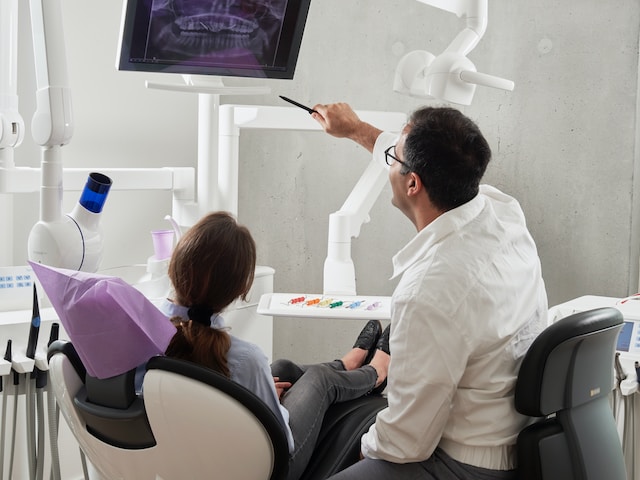
Whenever your dentist needs to work on an uncomfortable area of your tooth, they will administer local anesthesia as a pain reliever. This local anesthetic typically takes effect within minutes and only numbs that particular part where the work needs to be completed.
Prior to any procedure, try and reduce stress as this will shorten recovery times and speed up healing times.
Cold Compresses
Cold compresses are an excellent way to soothe toothache pain. Their low temperatures help constrict blood vessels in the area, reducing inflammation and dulling pain. Plus, you can make one at home using simple items around you like plastic bags filled with ice or frozen bags of peas; or cloth soaked in cold water. Just be mindful not to keep a cold compress on for more than 20 minutes so as to avoid frostbite!
Clove oil contains natural antiseptic and anti-inflammatory properties that can help alleviate discomfort from a toothache, so soak a cotton ball in clove oil and apply it directly. A warm salt water rinse may also provide effective relief: mix one teaspoon of salt into one glass of warm water and rinse your mouth for 30 seconds to loosen food debris stuck between teeth, relieving inflammation.
Anti-Inflammatory Medications
There are various medications available to alleviate pain and anxiety, including nonprescription anti-inflammatory drugs like ibuprofen (Advil, Motrin) or naproxen (Aleve). These anti-inflammatories help relieve inflammation in the mouth; you can find them available as dental pastes, gels, lozenges or ointments.
Benzocaine is a topical anesthetic used to numb an area and reduce toothache. It can be found both in traditional dental gels as well as independently sold products in pharmacies.
At-home remedies that may help relieve toothache and pain include willow bark tea or paste made of dried willow bark, both containing salicin which acts similarly to aspirin and helps provide pain relief. Clove oil, another natural pain reliever, can be rubbed over affected areas or used as mouthwash – its antibacterial and antifungal properties make it an excellent solution against infections while its powerful painkilling abilities have been confirmed by research published in BMC Complementary Medicine and Therapies 2016.
Bite Blocks
Bite blocks are chewable dental devices designed to keep your jaw open and prevent your teeth from closing too early, also known as mouth props. Used properly, bite blocks reduce stress on jaw muscles while shortening the amount of time required to wear braces.
Orthodontic braces do a fantastic job of straightening teeth, but a poor bite can compromise their effectiveness and extend treatment time. Bite ramps (also called turbos) help ensure your upper and lower teeth do not touch during treatment to avoid breaking brackets and speed up the orthodontic process.
Bite ramps may feel unusual at first, making chewing more challenging until you adjust to them. To ease discomfort, consider eating soft foods and taking smaller bites; in case they wear down or come off unexpectedly, contact Northwest Orthodontics immediately so they can be replaced.
Nitrous Oxide Sedation
Nitrous Oxide Sedation is an inhalation sedative commonly used in dentistry that reduces anxiety and pain during dental procedures. It works quickly to provide analgesia, making it the go-to sedative.
Laughing gas is a colorless, odorless gas mixed with oxygen that is inhaled through a small nasal mask to provide fast-acting sedative properties that take effect within minutes. Patients will typically feel an increased sense of well-being that reduces inhibitions while simultaneously relaxing them more deeply; safe for children of all ages to use and leaving no lasting aftereffects behind.
Oral Conscious Sedation, commonly referred to as pill sedation, involves taking a prescription sedative approximately an hour prior to your appointment. While you will feel sleepy and groggy from this form of sedation, you will still be able to respond and follow directions from your dentist and respond appropriately during their questions and instructions. This method of sedation may be best for those suffering from severe dental anxiety or phobia.

Horace is a health and wellness researcher with expertise in holistic medicine and evidence-based treatments. His writing covers everything from nutrition and fitness to emerging healthcare technologies.
You may also like
-
Telemedicine in Rural Areas: Bridging the Healthcare Gap
-
Universal Healthcare and Economy: A Deep Dive into Its Impact and Benefits
-
Telemedicine: Revolutionizing Healthcare Access
-
The Millennial’s Guide to Universal Healthcare: Pros and Benefits
-
Navigating the New Normal: EMS and 911 in the COVID-19 Era