
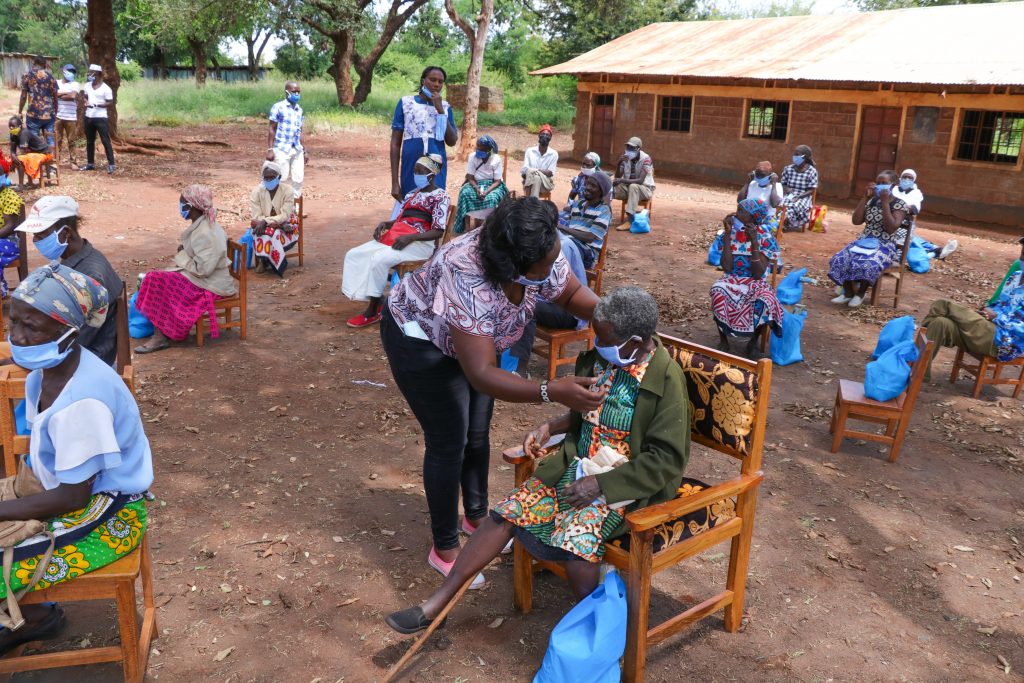
In an era where healthcare is a hot topic globally, the conversation often pivots to the challenges and solutions surrounding universal healthcare, especially in rural communities. These areas, often overlooked and underserved, face unique challenges that require innovative and thoughtful solutions. This article delves into the complexities of implementing universal healthcare in rural settings, exploring the historical context, current state, and future possibilities.
Understanding the Rural Healthcare Landscape
Historical Perspective of Healthcare in Rural Areas
The journey of healthcare in rural communities is a tale of evolution and adaptation. Historically, these areas have grappled with limited access to medical facilities and professionals. This scarcity is not just a modern-day issue but a legacy of years of unequal healthcare policies and resource allocation.
Current State of Healthcare in Rural Communities
Today, the healthcare landscape in rural areas is marked by a stark contrast to urban settings. While urban areas often boast advanced medical facilities and a plethora of healthcare professionals, rural communities struggle with basic access. This disparity is not just about physical distance but also encompasses economic and social barriers.
Barriers to Universal Healthcare in Rural Settings
Geographical Challenges
The vast distances and remote locations of rural communities pose significant challenges to healthcare delivery. Accessing medical care often means traveling long distances, which can be both time-consuming and costly for residents.
Economic and Resource Limitations
Rural areas typically have fewer medical facilities and healthcare professionals. This scarcity is compounded by economic constraints, both on the part of healthcare providers and residents, making it challenging to sustain and access quality healthcare services.
Cultural and Social Barriers
Cultural beliefs and social norms in rural communities can also hinder the adoption of universal healthcare. There’s often a gap in health literacy, which affects how communities perceive and seek medical care.
Innovative Approaches to Healthcare in Rural Areas
Telemedicine: A Game Changer
Telemedicine has emerged as a beacon of hope in bridging the healthcare divide. By leveraging technology, medical care can be extended to remote locations, making healthcare more accessible and efficient.
Community-Based Health Initiatives
Local health initiatives play a crucial role in addressing the unique needs of rural communities. These programs, often tailored to the specific context of the area, can significantly improve healthcare accessibility and quality.
Policy and Governmental Role
Government policies are crucial in shaping the healthcare landscape in rural areas. From funding to regulation, the government’s decisions can either bridge or widen the healthcare gap in these communities.
Tables Packed with Value
To further understand the challenges and solutions in rural healthcare, let’s dive into some informative tables:
Table 1: Healthcare Accessibility in Rural vs. Urban Areas
| Factor | Rural Areas | Urban Areas |
| Number of Hospitals | Fewer | More |
| Healthcare Professionals | Scarce | Abundant |
| Access to Specialized Care | Limited | Extensive |
Table 2: Impact of Telemedicine in Rural Healthcare
| Aspect | Impact |
| Accessibility | Significantly Improved |
| Cost-Effectiveness | More Economical |
| Patient Satisfaction | Generally Higher |
Table 3: Government Initiatives in Rural Healthcare
| Country | Initiative | Impact |
| Example A | Policy XYZ | Improved Access |
| Example B | Program ABC | Enhanced Quality |
Looking Ahead: The Future of Rural Healthcare
As we look towards the future, it’s clear that the path to universal healthcare in rural areas is paved with both challenges and opportunities. The rise of digital health solutions, along with a growing awareness of the unique needs of these communities, sets the stage for transformative changes in rural healthcare.
Embracing the Future: Innovations and Trends in Rural Healthcare
As we continue our exploration into the realm of universal healthcare in rural communities, it becomes evident that the future holds a myriad of possibilities. Innovations in technology, shifts in policy, and a growing global consciousness about rural health disparities are paving the way for significant changes. This second part of our article delves into these emerging trends and the potential they hold for transforming healthcare in rural areas.
Emerging Trends in Rural Healthcare
Digital Health Solutions: Beyond Telemedicine
While telemedicine has been a groundbreaking development, the future extends beyond this. Digital health solutions, encompassing mobile health apps, wearable technology, and AI-driven diagnostics, are set to revolutionize rural healthcare.
Table 4: Digital Health Innovations and Their Impact
| Innovation | Description | Potential Impact in Rural Areas |
| Mobile Health Apps | Apps for health monitoring and advice | Increased patient engagement and self-care |
| Wearable Technology | Devices for real-time health tracking | Early detection and continuous monitoring |
| AI-Driven Diagnostics | Artificial intelligence for diagnosis | Accurate and timely diagnosis in remote areas |
Policy Shifts and Government Initiatives
Governments around the world are increasingly recognizing the importance of rural healthcare. This recognition is translating into policy shifts and initiatives aimed at reducing disparities and improving access to healthcare in these areas.
Table 5: Recent Government Initiatives in Rural Healthcare
| Country | Initiative | Description |
| Country A | Health Infrastructure Program | Investment in rural health facilities |
| Country B | Rural Health Workforce Strategy | Incentives for healthcare professionals to work in rural areas |
| Country C | Digital Health Expansion | Funding for telehealth and digital health services |
Predictions for the Future of Rural Healthcare
The future of rural healthcare is not just about overcoming challenges but also about seizing opportunities. Here are some predictions for what lies ahead:
- Increased Integration of Technology: The use of digital tools in healthcare will become more prevalent, making healthcare more accessible and efficient.
- Greater Focus on Preventive Care: With better access to information and resources, there will be a shift towards preventive healthcare, reducing the burden of chronic diseases in rural areas.
- Enhanced Community Involvement: Local communities will play a more significant role in healthcare delivery, tailoring solutions to their specific needs.
Embracing Change and Innovation
As we look towards the future, it’s clear that the landscape of rural healthcare is on the cusp of significant transformation. Innovations in technology, shifts in policy, and a growing awareness of the unique challenges faced by rural communities are all converging to create a new era in healthcare. One where distance and resources are no longer insurmountable barriers, but challenges to be met with creativity and determination.
Frequently Asked Questions
- How can technology improve healthcare in rural areas?
- Technology, especially telemedicine and digital health tools, can make healthcare more accessible and efficient in rural areas.
- What role do governments play in rural healthcare?
- Governments are crucial in funding, policy-making, and implementing programs that address the unique challenges of rural healthcare.
- What is the future of rural healthcare?
- The future involves greater integration of technology, a focus on preventive care, and enhanced community involvement.

Monty is a healthcare writer with a background in general medicine and patient care. She focuses on preventive healthcare, chronic illness management, and medical advancements that improve patient outcomes.
You may also like
-
Telemedicine in Rural Areas: Bridging the Healthcare Gap
-
Universal Healthcare and Economy: A Deep Dive into Its Impact and Benefits
-
Telemedicine: Revolutionizing Healthcare Access
-
The Millennial’s Guide to Universal Healthcare: Pros and Benefits
-
Navigating the New Normal: EMS and 911 in the COVID-19 Era