
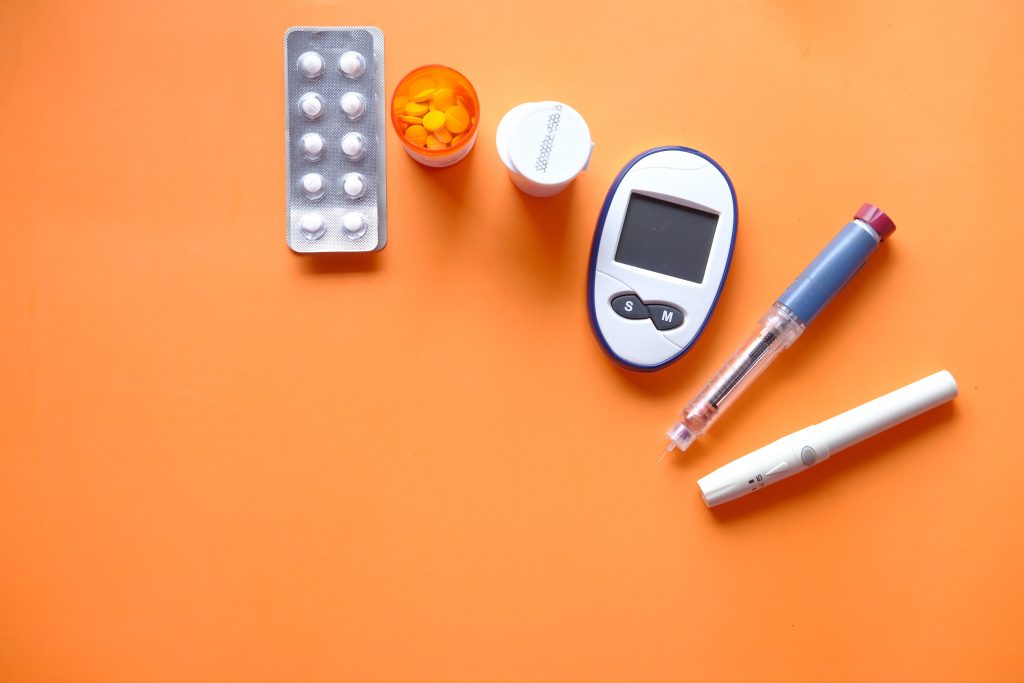
Insulin, a hormone produced by the pancreas, is responsible for controlling blood sugar levels. It works by unlocking the “door” in cell walls so glucose can enter cells. Glucose is the source of energy for the body’s cells, and insulin helps keep these cells properly nourished. But when insulin doesn’t work properly or when the pancreas produces too little insulin, glucose remains in the bloodstream instead of entering cells. In this situation, blood glucose increases.
Type 1 & Type 2
There are several types of diabetes treatments. Some people have type 1 diabetes, which results in the body not producing insulin. Type 2 diabetes, on the other hand, can be controlled with oral medications and insulin therapy. While these options can help manage diabetes and allow a person to lead a normal, healthy life, they have the potential for complications. If you have diabetes, a physician should help you find the best treatment for your specific type of diabetes. The right diabetes treatment can lead to a long, happy life.

Diagnosis
The symptoms of type 1 diabetes are similar but may be milder in children. Patients with high blood sugar may experience excessive thirst and frequent urination. A general feeling of malaise, excessive tiredness, and disturbed sleeping habits are also common. A doctor will recommend diabetes treatment as soon as symptoms begin to show. If you’re diagnosed with diabetes, you’ll need to undergo close medical follow-ups until your blood sugar levels stabilize. With early diagnosis and treatment, the disease is much easier to manage.
Gestational Diabetes
Gestational diabetes is rare, but it can affect pregnant women. A doctor should monitor blood sugar levels throughout the pregnancy. In addition to exercise, changing your diet is important. Changing your diet and lifestyle habits can help lower blood sugar levels, but it is not always enough to control diabetes. Your doctor can prescribe medication based on your individual circumstances and lifestyle. If you suspect you have gestational diabetes, visit your doctor as soon as possible. A doctor can give you a prescription for insulin.

Horace is a health and wellness researcher with expertise in holistic medicine and evidence-based treatments. His writing covers everything from nutrition and fitness to emerging healthcare technologies.
You may also like
-
Telemedicine in Rural Areas: Bridging the Healthcare Gap
-
Universal Healthcare and Economy: A Deep Dive into Its Impact and Benefits
-
Telemedicine: Revolutionizing Healthcare Access
-
The Millennial’s Guide to Universal Healthcare: Pros and Benefits
-
Navigating the New Normal: EMS and 911 in the COVID-19 Era