
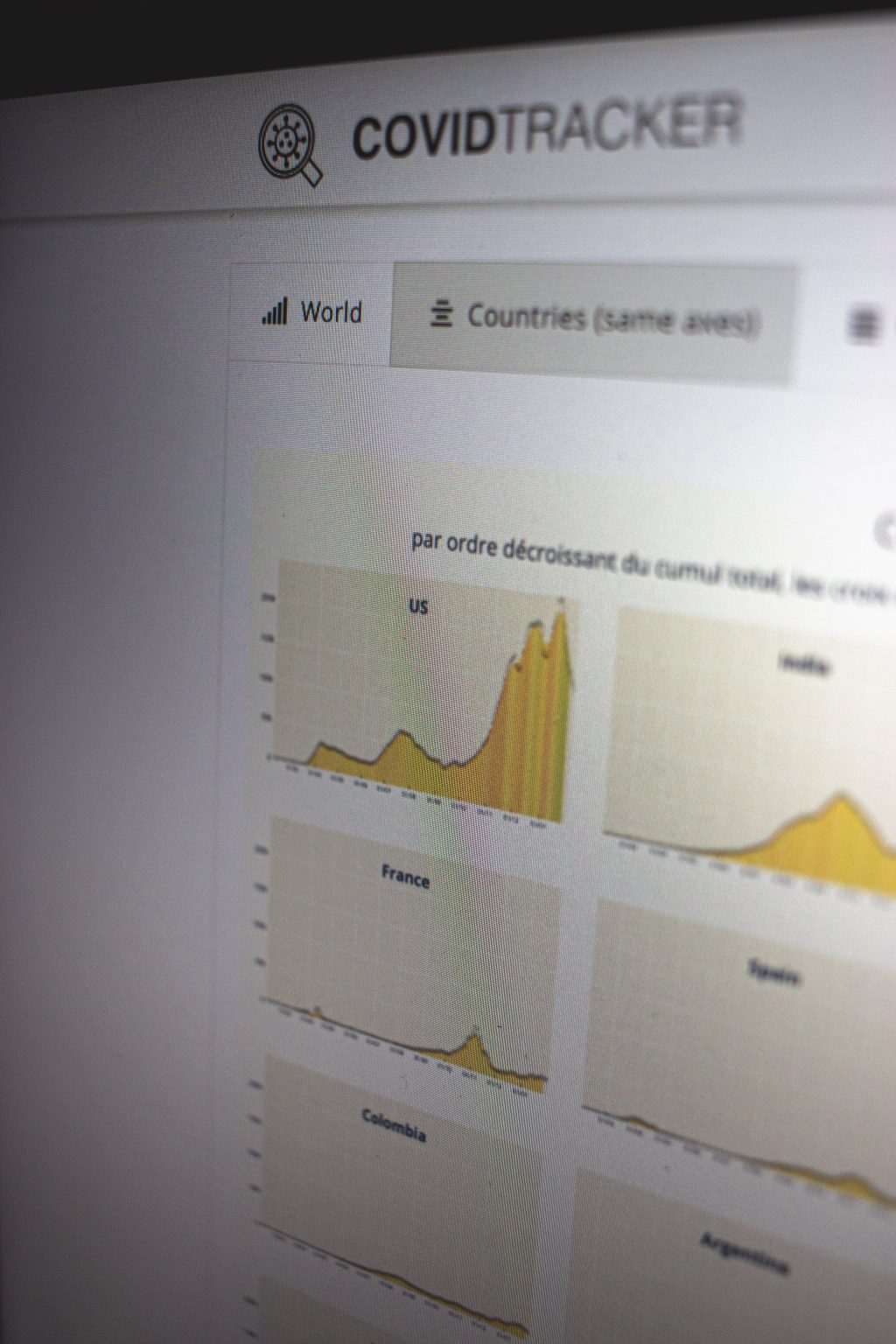
In an era where information is as vital as the air we breathe, understanding the intricacies of pandemic data analysis has never been more crucial. With the world having faced the unprecedented challenges of the COVID-19 pandemic, the role of data in mapping, predicting, and responding to such health crises has taken center stage. This article aims to unravel the complexities of pandemic data analysis, offering insights into how big data, predictive modeling, and public perception intertwine in this critical field.
The Emergence of Big Data in Pandemic Analysis
Transforming Epidemic Response
In the fight against pandemics, big data stands as a formidable ally. By harnessing vast amounts of data, health experts can predict, track, and monitor the spread of diseases in real-time. This section of the article delves into how big data analytics has revolutionized our approach to handling global health crises.
- Predicting and Mapping: Big data tools enable the prediction of disease spread patterns, helping in proactive planning and response.
- Real-Time Tracking: The ability to monitor the spread of a virus in real-time is crucial for timely interventions.
Case Studies and Reports
- COVID-19 and Big Data: The pandemic has seen an unprecedented use of big data in tracking virus spread and vaccine distribution.
- Global Impact: How different countries have utilized big data to combat the pandemic.
Google COVID-19 Community Mobility Reports
A New Perspective on Mobility and Pandemic Spread
The Google COVID-19 Community Mobility Reports offer a unique lens through which we can view the pandemic. These reports measure changes in mobility relative to pre-pandemic levels, providing insights into how movement restrictions and public behavior affect the spread of the virus.
- Mobility Changes: Analysis of how reduced mobility has impacted COVID-19 spread.
- Case Studies: Examples of how these reports have informed public health policies.
Economic and Labor Crisis Induced by Pandemics
Understanding the Broader Impact
The ripple effects of a pandemic extend far beyond health implications, deeply impacting the global economy and labor markets. This section explores the economic and employment crises triggered by COVID-19 and what future trends might look like.
- Global Employment: The pandemic’s impact on job markets worldwide.
- Economic Predictions: Forecasting the long-term economic consequences of the pandemic.
Predictive Modeling in Pandemic Trends
The Power of LSTM Models
Long Short-Term Memory (LSTM) models have emerged as a powerful tool in predicting the course of pandemics like COVID-19. This part of the article focuses on how these advanced models are used to forecast pandemic trends and their effectiveness in real-world scenarios.
- LSTM in Action: How LSTM models have been applied in predicting COVID-19 trends.
- Success Stories: Instances where LSTM models accurately forecasted pandemic patterns.
WHO Dashboard and COVID-19 Trend Analysis
A Comprehensive Tool for Global Health Trends
The World Health Organization’s COVID-19 Explorer dashboard is a treasure trove of data for analyzing pandemic trends. It provides metrics such as epidemic growth rate, effective reproductive number, and measures of population mobility, among others. Learn more about the WHO dashboard.
- Dashboard Features: An overview of the key metrics and tools available in the WHO dashboard.
- Interpreting Data: How to read and understand the data presented in the dashboard.
Machine Learning in Trend Detection
- Predictive Analytics: The use of machine learning models to predict trends and detect departures from expected patterns.
- Case Analysis: Examining specific instances where the WHO dashboard provided critical insights.
Tables Packed with Value
Throughout the article, various tables provide a wealth of information, from global pandemic statistics to country-specific data trends. These tables not only offer a quick reference but also enhance the understanding of the complex data involved in pandemic analysis.
Google Trends in Predicting COVID-19 Cases
Correlating Search Trends with Case Numbers
Google Trends has emerged as a surprisingly effective tool in predicting the rise and fall of COVID-19 cases. By analyzing search trends related to the virus, researchers have been able to draw correlations between public interest and case numbers.
- Search Patterns: How increases in COVID-19 related searches often precede spikes in cases.
- Real-Time Analysis: The ability of Google Trends to provide real-time data on public interest and concern.
Case Studies: Google Trends in Action
- Predictive Success: Instances where Google Trends accurately predicted a rise in COVID-19 cases.
- Global Perspective: How different countries’ search trends provided early warning signs.
Lessons Learned from COVID-19 Pandemic Analysis
Adapting to Future Pandemics
The COVID-19 pandemic has been a harsh but instructive teacher. This section highlights the key lessons learned from analyzing the pandemic and how these insights can shape our response to future health crises.
- Preparedness and Response: The importance of early detection and rapid response.
- Data Sharing: The need for global cooperation and data sharing in managing pandemics.
Public Perception of Pandemic Data
Understanding Community Sentiment
Public perception plays a critical role in the management of a pandemic. This part of the article examines how public sentiment towards COVID-19 has evolved and the impact this has on policy and compliance.
- Sentiment Analysis: Using social media and other platforms to gauge public sentiment.
- Policy Impact: How public perception influences the effectiveness of health policies.
As we wrap up our exploration of pandemic data analysis, it’s clear that this field is not just about numbers and graphs. It’s about understanding human behavior, predicting future trends, and preparing for the unknown. The lessons learned from COVID-19, the innovative use of tools like Google Trends, and the importance of public perception offer invaluable insights for navigating future health crises.
Tables with Invaluable Insights
Throughout this part, various tables provide detailed insights into pandemic trends, Google search patterns, and public sentiment analysis. These tables not only offer a quick reference but also deepen the understanding of the data and its implications.
Frequently Asked Questions
Addressing Common Queries
Based on popular queries, this section aims to answer some of the most frequently asked questions about pandemic data analysis.
- How is pandemic data collected and analyzed?
- What role does AI play in predicting pandemic trends?
- How reliable are predictive models in forecasting pandemics?

Monty is a healthcare writer with a background in general medicine and patient care. She focuses on preventive healthcare, chronic illness management, and medical advancements that improve patient outcomes.
You may also like
-
Telemedicine in Rural Areas: Bridging the Healthcare Gap
-
Universal Healthcare and Economy: A Deep Dive into Its Impact and Benefits
-
Telemedicine: Revolutionizing Healthcare Access
-
The Millennial’s Guide to Universal Healthcare: Pros and Benefits
-
Navigating the New Normal: EMS and 911 in the COVID-19 Era