
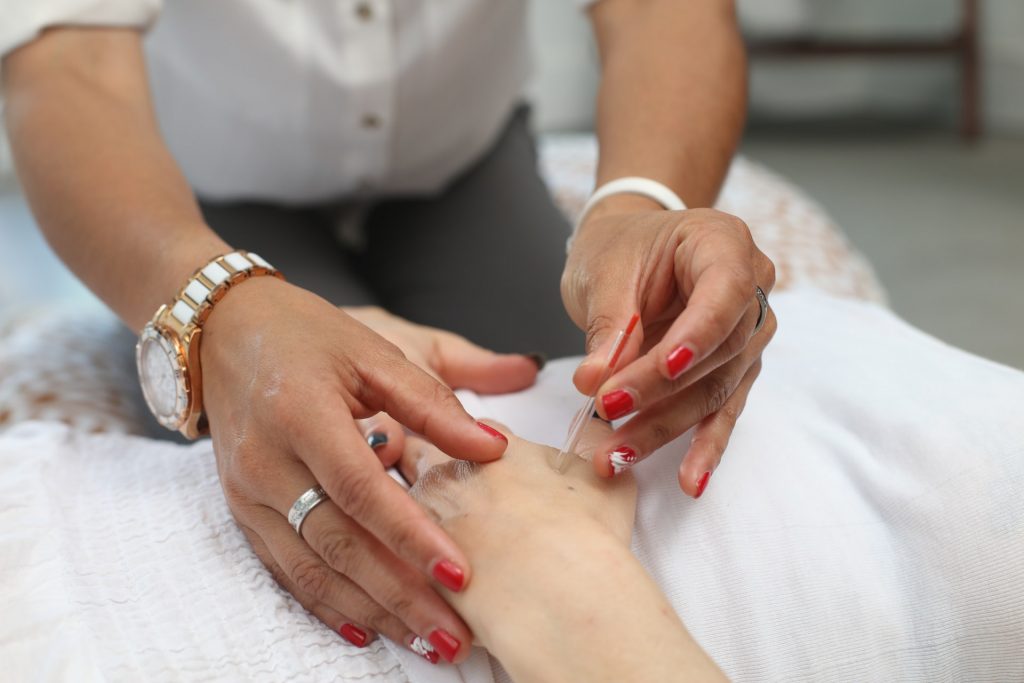
Acupuncture was first discovered in the ancient China by a man named Zhuangzi in the fifth century BC, but was not officially introduced to the West until the nineteenth century. Acupuncture has been a very popular alternative treatment of illnesses throughout the history of the medical field. It is very similar to the traditional Chinese medicine which uses the power of nature to heal the body. However, unlike acupuncture, Chinese medicine relies more on traditional Chinese herbs and other natural ingredients in order to cure and prevent disease. Unlike the acupuncture, which relies more on using very thin needles to pierce the skin to create the sensation that is associated with acupuncture.
Acupuncture has been labeled as quackery since the concepts and practices of traditional TCM are actually not based on any scientific evidence. It also has been criticized by many in the medical field due to the fact that the needles used in this therapy are actually made from steel that is hollow at the bottom. This means that when the needle is inserted, the blood pressure of the patient will be raised or lowered. This can sometimes lead to side effects like headaches, vomiting, nausea, chest pain, and other problems. It can also be dangerous, especially for the elderly who may not know how to protect themselves. Also, most people have never tried acupuncture in the past, so it is hard to tell if they would actually use it or not. Therefore, it is very important to consult with a doctor or an acupuncturist before undergoing acupuncture therapy.
In addition to these facts, the western world also sees acupuncture as a sign of weakness. The belief is that if you are weak, then you cannot make a recovery. Also, it is believed that a person who is weak will not be able to fight back against diseases or health complications. So, this treatment is often considered to be ineffective in terms of healing. Acupuncture does have some benefits, especially for some types of chronic diseases like arthritis, asthma, chronic fatigue syndrome, and migraine. However, it is important to remember that there are many people who cannot benefit from acupuncture and should still seek traditional treatments. and not rely on acupuncture alone for their health needs.

Horace is a health and wellness researcher with expertise in holistic medicine and evidence-based treatments. His writing covers everything from nutrition and fitness to emerging healthcare technologies.
You may also like
-
Telemedicine in Rural Areas: Bridging the Healthcare Gap
-
Universal Healthcare and Economy: A Deep Dive into Its Impact and Benefits
-
Telemedicine: Revolutionizing Healthcare Access
-
The Millennial’s Guide to Universal Healthcare: Pros and Benefits
-
Navigating the New Normal: EMS and 911 in the COVID-19 Era