
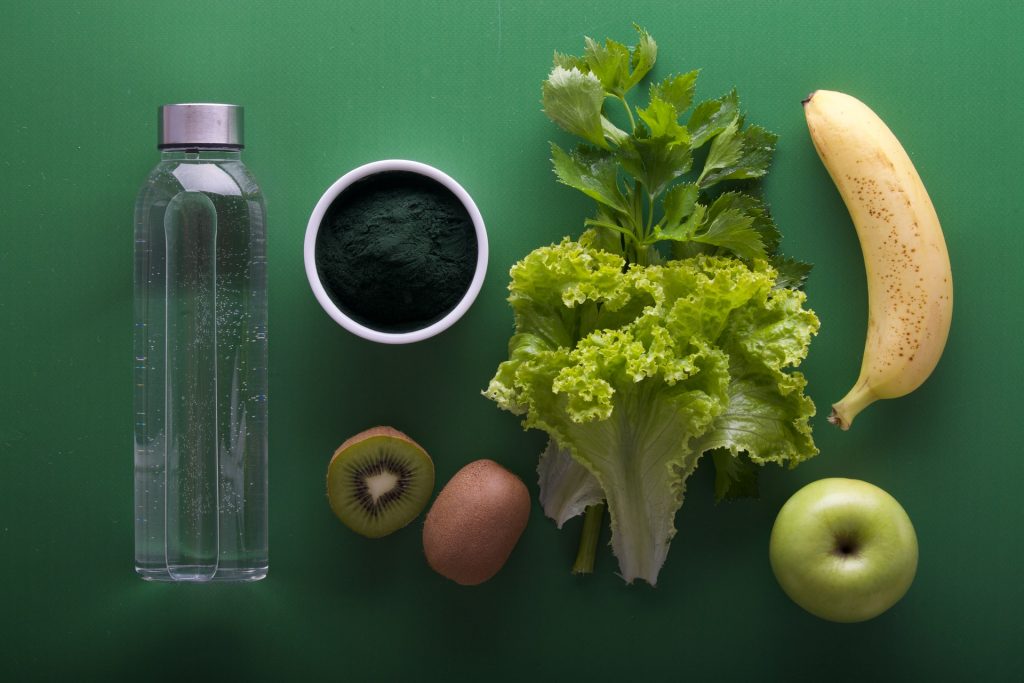
Do you know what the relationship between diet and mental health is? If not, you have come to the right place. This article will give you some ideas about diet and mental health and what you can do for yourself. Many people, especially women, tend to think that diet only affects their weight. However, diet and mental health go hand in hand.
Research has shown that poor diet may play a big role in exacerbating these severe mental health conditions, while the Mediterranean diet, high in fresh fruits and vegetables, may actually improve the symptoms of depression and anxiety. There are a number of reasons why diet and mental health may be connected. Researchers have found that when an individual is suffering from depression they are often consuming foods that are very low in carbohydrates. Low carbohydrate diets have been linked to an increased risk of developing diabetes.
Another reason why diet and mental health may be linked is the effect of diet on the immune system. Researchers have found that by regulating gut flora, which is the balance of microorganisms in the gastrointestinal tract, diet may affect an individual’s ability to fight off certain infections. In addition, research has found that a diet rich in certain nutrient-dense foods such as sugar and fat may increase the risk of developing depression. Therefore, it seems that diet and mental health are closely intertwined.
The regulation of gut flora is affected by the presence of friendly bacteria in the intestine, and there is evidence that those bacteria are needed in order to have a normal immune system. Also, there are certain types of foods like sugar that are toxic to the human brain. Therefore, eating foods like sugar may impair the function of the human brain. Researchers have also found that individuals who suffer from depression show a decreased ability to both remember and learn new tasks. These studies conclude that diet and mental health go hand in hand.
The American College of Nutrition suggests that in order to improve diet and mental health, individuals should choose foods like whole grains, vegetables, lean meats, fish, and low fat dairy products. This dietary advice is even more important for women of childbearing age because their diets are especially critical to their physical health. There is also some evidence that dietary supplements can benefit diet and mental health. For instance, vitamins like niacin and magnesium reduce depression in some studies.
Although diet and depression seem to be directly linked, it is unclear which came first; genetics or diet. It would be exciting to find out that a dietary change could play a causal role in the onset of depression, or that it might provide relief from its symptoms. For now, we can only conclude that diet and mental health do interact, and that the best way to maintain a healthy brain is to eat a healthy diet and get regular physical activity. Remember, though, that it is not just your diet that is important; poor diet and exercise can lead to all sorts of physical problems, such as cancer, diabetes, and high blood pressure. It is much better to make sure that your diet is balanced and that you get your exercise on a regular basis than to suffer from depression or other mental disorders.

Horace is a health and wellness researcher with expertise in holistic medicine and evidence-based treatments. His writing covers everything from nutrition and fitness to emerging healthcare technologies.
You may also like
-
Telemedicine in Rural Areas: Bridging the Healthcare Gap
-
Universal Healthcare and Economy: A Deep Dive into Its Impact and Benefits
-
Telemedicine: Revolutionizing Healthcare Access
-
The Millennial’s Guide to Universal Healthcare: Pros and Benefits
-
Navigating the New Normal: EMS and 911 in the COVID-19 Era